
“If the Air Force wanted you to have a family, they would have issued one.”
That was the phrase that Heather King, an Air Force veteran, first heard at basic training. Like other women veterans I know, she would soon learn that the military could dictate her personal decisions—including how and when to grow her family. And now, as a veteran, she’s facing another injustice.
VA Secretly Approves New Abortion Ban Policy
On New Years Eve 2025, the Trump-Vance administration quietly issued an abortion ban at the Department of Veterans Affairs (VA), banning abortion care even in cases of rape, incest, or when the pregnancy endangers the veteran’s health.
While the administration claims that they will provide abortion care when the life of the pregnant person is endangered, this exception isn’t written into the policy. This ambiguity is likely to cause chaos and confusion among VA medical professionals who will have to decide whether a patient is sick enough to get care..
The Trump-Vance administration’s rule also bans abortion counseling for VA beneficiaries in all circumstances. This means that medical professionals are not even allowed to provide patients with information about all their options for a dangerous or unwanted pregnancy.
This dystopian ban is particularly cruel since women veterans often have complex health conditions related to their military service and are older because they’ve waited until after their service to start a family. One in three women veterans also report experiencing military sexual trauma, which puts them at high risk for an unwanted pregnancy.
Women Veterans Share their Stories
For Heather, a military sexual trauma survivor, VA’s decision was just another injustice after her harrowing experiences in the military.
“My flight chief, a Master Sergeant and devout Catholic, denied my request for leave solely because he knew I was going to have an abortion. For two weeks, he made his opinion known, bringing pamphlets to work about adoption services and the ‘harms’ of abortion.”
Heather was eventually able to obtain her abortion, but only after a family medical emergency allowed her to leave the base, which also provided her the opportunity to drive 22 hours to a state with abortion access.
Heather’s story is one of many examples of how hard it can be for those who serve or have served to get the medical care that they need.
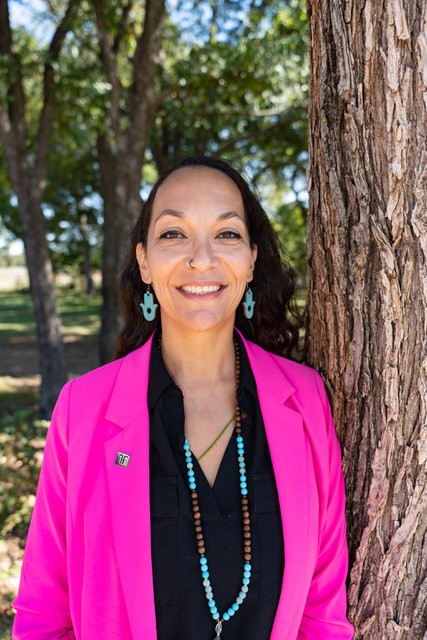
I also heard from an Army Reserve veteran whose exposure to toxic chemicals during her service led her doctors to prescribe medication to help prevent breast cancer. This medication, while lifesaving, also put her at higher risk for birth defects, which can make a pregnancy more dangerous or even life-threatening for her.
She said: “I have served this country and, like anyone else, deserve to live with the highest quality of life. A pregnancy can disrupt that and kill me—either immediately due to my medical complications, or later on, because I would have to delay or stop my current medical treatments.”
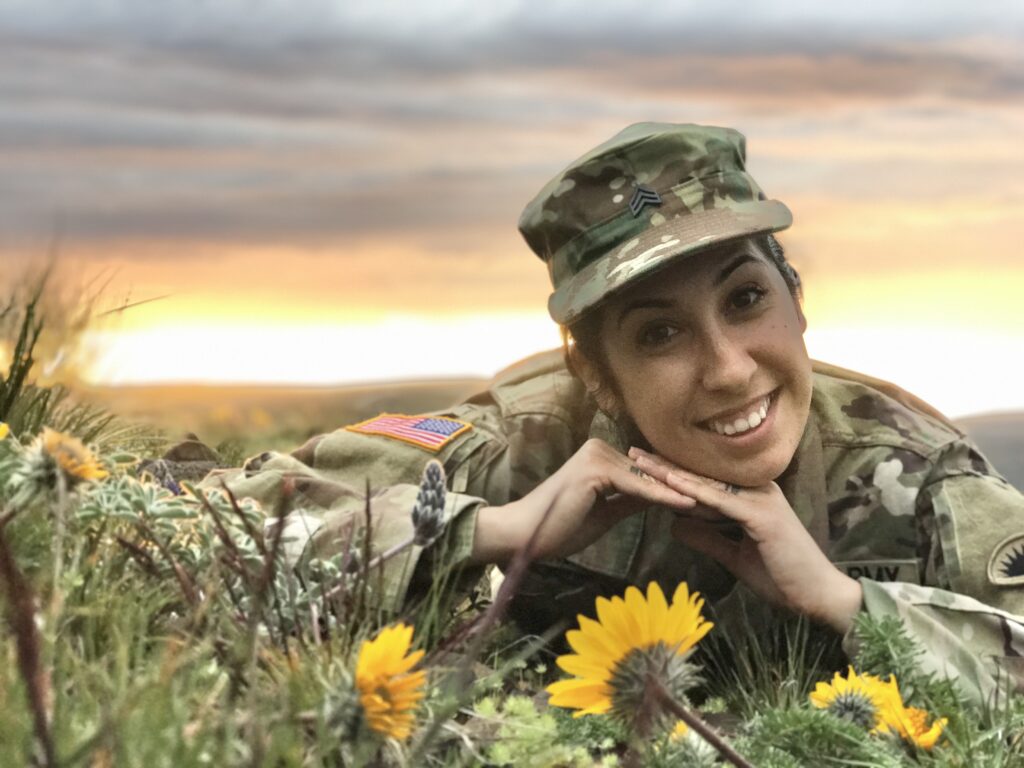
And then there’s Lauren Feringa, a former Army Combat Medic who deployed to Iraq. Lauren discovered cysts on her right ovary after her first deployment, likely due to toxic exposure during her service. Ovarian cysts can increase someone’s chance of miscarrying, which unfortunately was the case for Lauren. During one of her several miscarriages, a VA provider denied her a the care she needed. She doesn’t want to go through that again:
“This was after weeks of them dismissing my concerns over my pregnancy…Because of what I’ve gone through, I have absolutely zero desire to put my body through another pregnancy again….Another pregnancy would absolutely worsen my health conditions and could even cost me my life. As a mother of two, that just isn’t an option.”
VA’s abortion ban threatens the health, safety, and dignity of these veterans. And just like these women, so many veterans like them have unique, complex health needs that make this abortion ban so much more cruel.
What We Can Do
The Trump-Vance VA has failed our veterans. But we can change things.
Leaders in Congress have introduced legislation to overturn the final rule that the Trump administration tried to secretly implement. Members of Congress have a critical choice to make: they can support this legislation and support veterans—or force veterans to carry dangerous or unwanted pregnancies against their will.
As Lauren so succinctly put it: “I served our country and was promised comprehensive health care when I returned home.”
Congress needs to stand by its promise and restore abortion care for veterans.